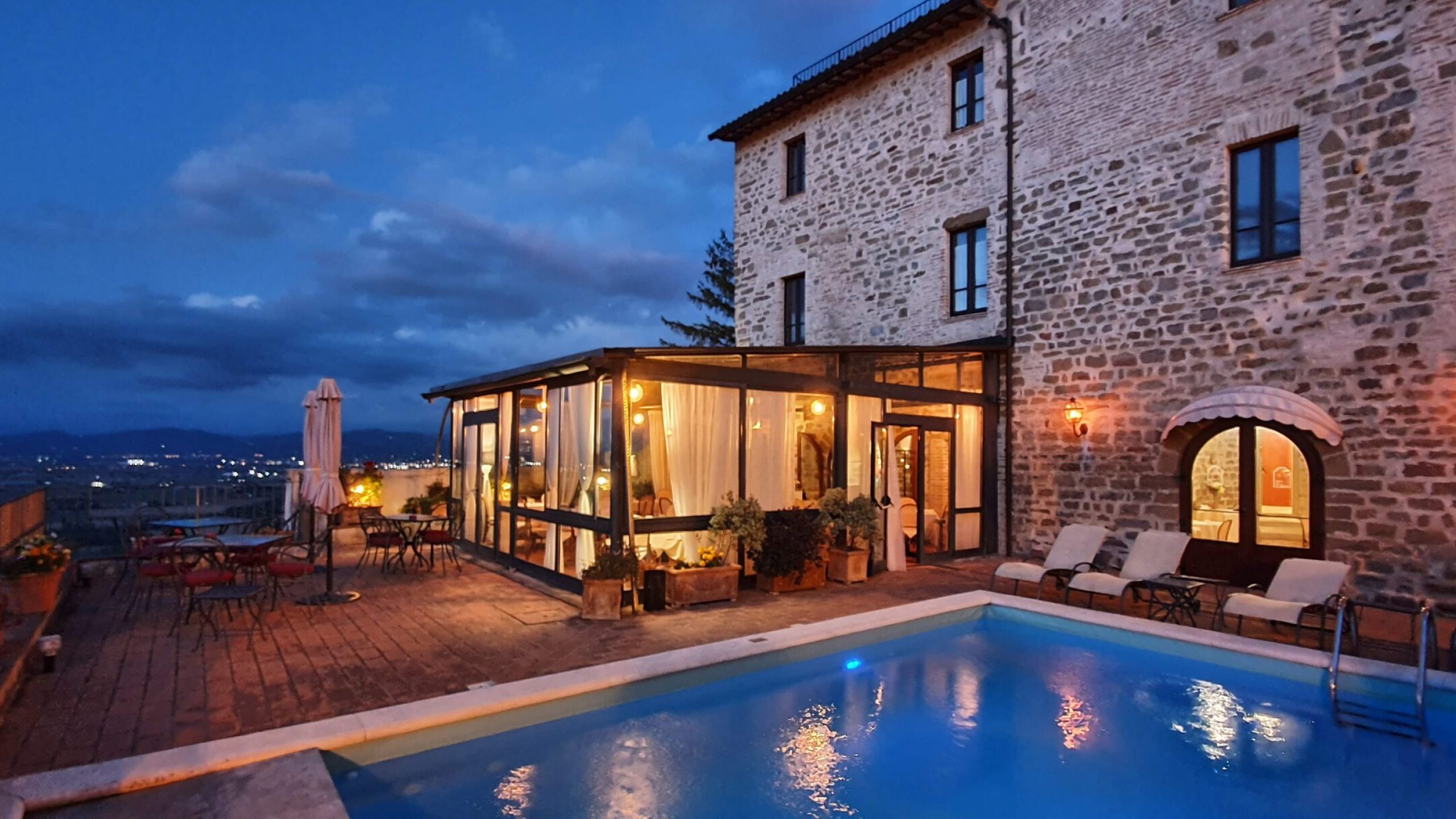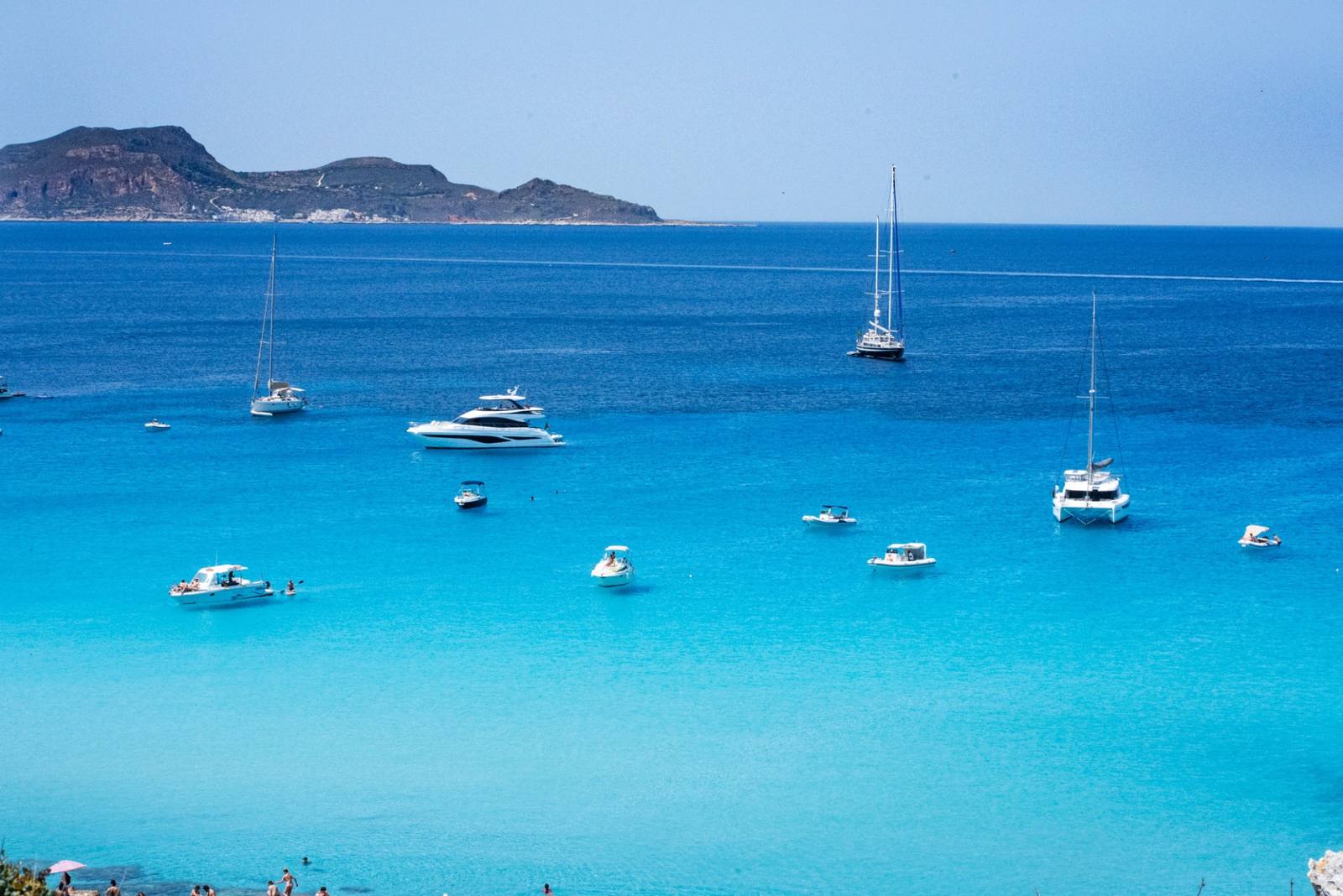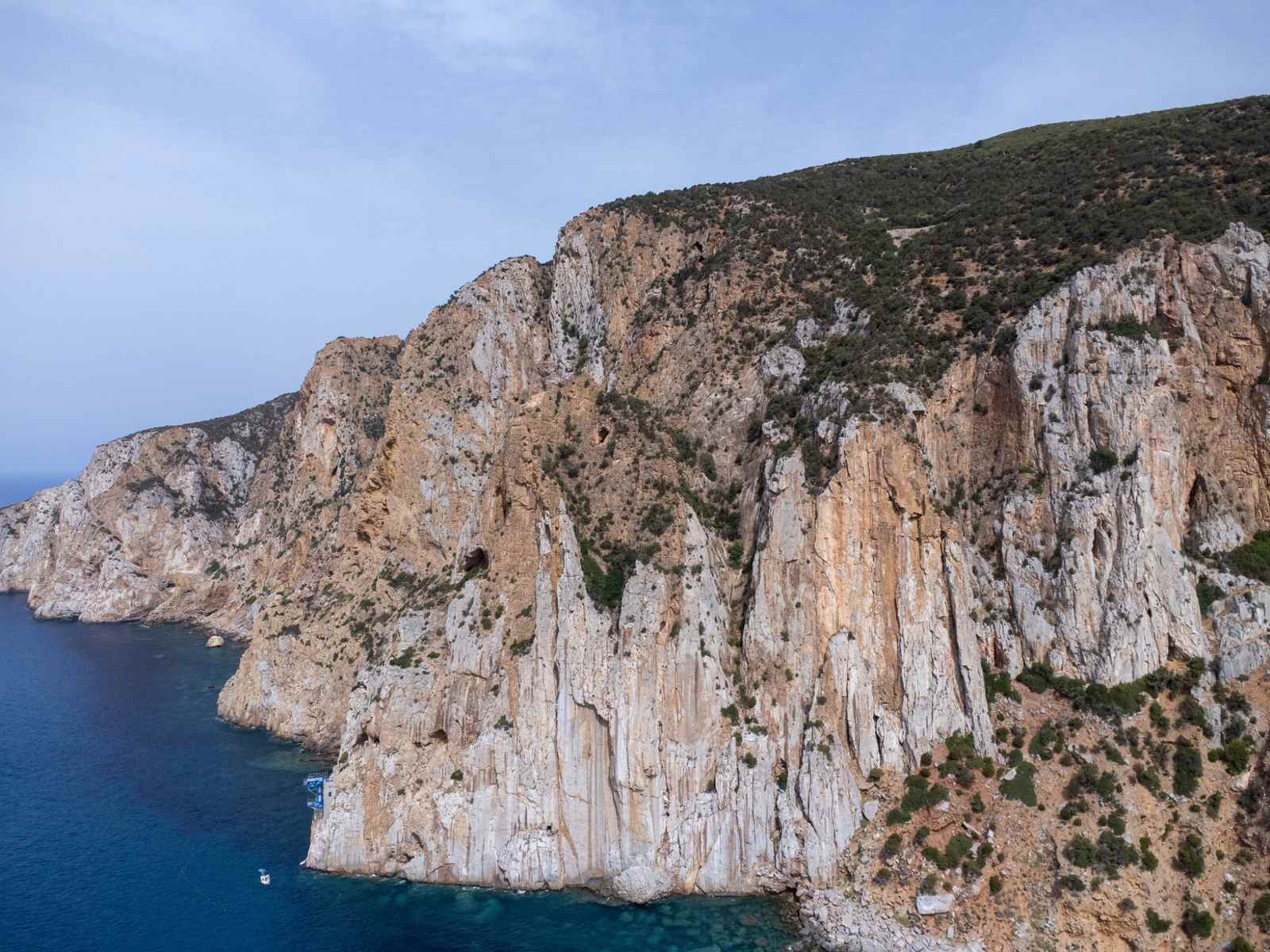
Sardinia is arguably the Italian hotel market where real estate value and operating value diverge most significantly.
Investors who assess a Sardinian resort solely through the EBITDA multiples typically applied to urban hotels risk making one of two opposite mistakes: overpaying for a fragile seasonal business or walking away from an irreplaceable asset because its current yield appears insufficient.
A hotel investment in Sardinia must be assessed through four interconnected variables:
-
seasonal concentration of revenue;
-
pricing power in the upscale and luxury segments;
-
planning and environmental constraints limiting new supply;
-
the asset’s genuine potential for repositioning and professional management.
Value is created by the interaction of these factors, not by applying a single multiple.
The data confirm that Sardinia is no longer a peripheral hospitality market. In 2025, the island recorded more than 5.17 million arrivals and 21.92 million overnight stays, representing year-on-year growth of 16.39% and 15.95% respectively. International overnight stays exceeded 12.17 million, increasing by 21.49% in a single year.
Demand is growing. But that does not mean that every hotel in Sardinia is automatically a sound investment.
It means that the right assets, in the right locations and with the right capital structure, are becoming progressively more difficult to acquire.
Seasonality is not a secondary issue: it defines the financial structure of the investment
The first variable to analyse is the concentration of demand.
In 2025, almost 79% of Sardinia’s overnight stays were recorded between June and September. When the period is extended from May to October, it accounts for more than 92% of annual overnight stays.
This fundamentally changes the way an investor must read the income statement, financing requirements and enterprise value of a hotel.
A resort generating a strong GOP margin in July and August may still deliver inadequate annual profitability when it:
-
maintains an excessively rigid cost structure;
-
cannot sufficiently flex its staffing costs;
-
must provide accommodation for a significant proportion of its workforce;
-
incurs months of maintenance, marketing and pre-opening expenditure;
-
depends on expensive seasonal credit facilities;
-
lacks sufficient working capital.
The correct question is therefore not simply: how much EBITDA does the hotel generate?
The correct questions are:
-
In which months is that EBITDA generated?
-
How much cash is absorbed before the hotel opens?
-
Which costs continue during the closed season?
-
How much of the workforce must be recruited and trained again every year?
-
How much revenue is already booked before the season begins?
-
How dependent is the property on tour operators, online travel agencies or allotment agreements?
-
Can the hotel generate profitable demand in May, June, September and October?
An annual business plan that simply spreads revenue and costs evenly across twelve months can be dangerously misleading in Sardinia.
A monthly financial model is required, covering at least:
-
booking curves;
-
deposits and advance payments;
-
working-capital requirements;
-
reopening costs;
-
recruitment;
-
staff accommodation;
-
winter maintenance;
-
debt-service obligations;
-
FF&E reserves;
-
the liquidity required to withstand a weaker-than-expected season.
In Sardinia, cash flow does not merely follow the income statement: it precedes it, constrains it and, in some cases, contradicts it.
Seasonality does not necessarily mean low profitability
Seasonality is a risk, but it can also become a competitive barrier.
The most efficient operators concentrate revenue and profitability within a limited trading period while maintaining strict control over their annual cost base. A well-positioned resort can generate seasonal EBITDAR per key comparable with, or even superior to, that of many urban hotels operating throughout the year.
The difference is not driven by occupancy alone.
It is driven by:
-
ADR during peak-demand periods;
-
advance sales;
-
minimum-length-of-stay controls;
-
disciplined discounting;
-
revenue from food and beverage, beach clubs, spas and ancillary services;
-
effective segmentation of international demand;
-
the ability to protect rates from OTA pressure;
-
seasonal workforce management;
-
opening and closing the property at the economically optimal time.
Extending the season is not always value-accretive.
Opening for an additional thirty days without sufficient demand may increase revenue while simultaneously reducing GOP. Shoulder-season strategies must therefore be selective: events, sport, wellness, weddings, groups, incentives, corporate retreats and experiential tourism must generate profit, not merely occupied rooms.
The luxury paradox: compressed current yield, high capital value
Sardinia’s luxury segment follows a partially different investment logic.
In 2025, five-star hotels on the island recorded more than 737,000 overnight stays, an increase of 8.85%. Five-star luxury hotels exceeded 82,000 overnight stays, representing growth of 12.52%. The four-star superior segment also expanded strongly, although from a smaller base.
These figures must be considered within a broader market trend. In 2025, the Italian resort hotel segment generated approximately €822 million in transaction volume. International investors accounted for 53% of total investment volumes, while value-add strategies represented 62% of transactions.
During the same year, 39% of the Italian hotel investment volume analysed by Cushman & Wakefield involved luxury properties, while the national average price per transacted key exceeded €220,000. This figure cannot be applied mechanically to Sardinia, but it confirms the growing weight of high-end assets within Italy’s hotel investment market.
In north-eastern Sardinia, however, a hotel’s value is not determined solely by the cash flow generated during the most recent financial year.
An investor may simultaneously be acquiring:
-
an irreplaceable location;
-
direct beach access or proximity to a prime coastal setting;
-
existing permits and legally established building volumes;
-
the international recognition of the destination;
-
repositioning potential;
-
the possibility of introducing an international brand;
-
demand from high-spending international guests;
-
long-term capital appreciation potential.
This is the logic of the trophy asset.
The expected total return is not composed solely of distributable EBITDA. It results from the combination of:
-
operating return;
-
real estate appreciation;
-
growth in value per key;
-
potential yield compression;
-
value created through branding, capital expenditure and professional management;
-
a potential residential or branded-residences component, where legally and physically feasible.
For this reason, value per key often carries greater weight than the EBITDA multiple in Sardinia’s luxury segment.
The multiple remains essential as a sustainability check. But it cannot be the only valuation metric.
Real estate scarcity is not a marketing claim: it is rooted in the planning framework
Sardinia’s Regional Landscape Plan identifies the coastal zone as a strategic resource for the island’s sustainable development and subjects it to an integrated system of protection, planning and management. Areas falling within the coastal zone are treated as protected landscape assets and must be assessed through the relationship between the environment, settlements, landscape and economic activity.
This does not mean that every new hotel development is legally impossible.
It means that, in the island’s most valuable locations, new construction, extensions and redevelopment projects require complex planning and environmental assessments on a case-by-case basis, including:
-
the Regional Landscape Plan;
-
the relevant municipal planning framework;
-
legally established building volumes;
-
construction permits;
-
environmental restrictions;
-
coastal setback requirements;
-
landscape authorisations;
-
permitted use;
-
the genuine feasibility of demolition, reconstruction or extension.
The implication for an investor is material: an existing, fully authorised hotel room in a prime coastal location may have a value that cannot be captured by the income statement alone.
Scarcity must nevertheless be verified, not assumed.
Before assigning a real estate premium to the asset, investors must assess:
-
cadastral and planning compliance;
-
legality of existing building volumes;
-
original permits and authorisations;
-
unauthorised works or subsequent regularisations;
-
maritime concessions;
-
access rights;
-
easements;
-
legal control of external areas;
-
residual development potential;
-
the actual feasibility of adding swimming pools, spas, restaurants or other facilities.
An apparently irreplaceable hotel can lose value if part of the property is non-compliant, if sea access depends on precarious rights or if the expansion assumed in the business plan cannot be approved.
There is more than one Sardinia: each area requires a different underwriting model
Reducing Sardinia’s hotel market to the Costa Smeralda means overlooking a substantial part of its investment potential.
In 2025, Gallura and the north-eastern region exceeded 7.69 million overnight stays, but growth was not limited to the north. The Metropolitan City of Cagliari reached 5.17 million overnight stays, Sassari 3.29 million, Nuoro 2.05 million and Ogliastra 1.76 million. Ogliastra recorded growth of more than 28%, while overnight stays in Nuoro increased by 21.4%.
This does not make the various areas equivalent. On the contrary, it requires a more disciplined geographic segmentation.
Gallura and the Costa Smeralda
This is the island’s most internationally recognised market, with the highest concentration of luxury hospitality and the strongest capital-value component.
The primary risk is the acquisition price.
An exceptional asset can still be a poor investment if the entry price already reflects the full future value of the proposed repositioning.
Olbia, Golfo Aranci, San Teodoro and Budoni
These are more diversified markets, where resorts, leisure hotels, family-owned properties and more accessible products coexist.
They offer greater depth of demand, but require disciplined positioning. Competing solely on price against apartments, residences and holiday villages can rapidly erode margins.
Olbia Airport handled close to 3.9 million passengers in 2024 and also recorded growth during the shoulder months. During the first seven months of 2025, international traffic increased by 20%, further strengthening the accessibility of north-eastern Sardinia from overseas markets.
Cagliari, Pula, Chia and Villasimius
Southern Sardinia offers a different combination of leisure demand, transport links, urban services and upscale resorts.
Certain locations may benefit from a less extreme seasonal profile and a greater ability to generate demand from meetings and events, sport, weddings and itineraries combining the coast with Cagliari.
Ogliastra and the central-eastern coast
The potential is significant, but the underwriting must account for accessibility, labour availability, infrastructure and future investment liquidity.
Growth in visitor numbers does not eliminate exit risk. A sound acquisition also requires a clear view of which investor may be willing to acquire the asset seven or ten years later.
Alghero, Stintino and the north-west
The presence of an airport, a recognisable urban destination and differentiated leisure products creates a market distinct from Gallura.
Repositioning opportunities may emerge in existing properties, particularly where the physical product is no longer aligned with international demand.
Oristano, Sulcis and the western coast
Entry prices may be lower, but liquidity, depth of demand and the ability to sustain high room rates may also be weaker.
A low price does not automatically represent a discount.
It may simply be the correct pricing of a higher-risk investment.
Stabilised asset or repositioning opportunity: these are two different investments
The Sardinian market mainly offers two categories of investment.
Stabilised assets
These are renovated, well-managed hotels with established reputations, international demand and consolidated positioning.
The investor is acquiring:
-
relatively predictable cash flow;
-
lower execution risk;
-
real estate scarcity;
-
capital protection;
-
limited extraordinary capital-expenditure requirements.
The current yield will normally be more compressed.
Value-add assets
These are often hotels developed between the 1970s and 1990s, typically under family ownership, with:
-
an outdated physical product;
-
room categories inconsistent with the desired market positioning;
-
underperforming food and beverage;
-
excessive dependence on intermediaries;
-
limited managerial structures;
-
deferred capital expenditure;
-
generational-transition issues;
-
financial statements requiring normalisation.
Value can be created, but only when the acquisition price correctly reflects:
-
building and refurbishment costs;
-
furniture, fixtures and equipment;
-
financing costs;
-
lost income during the works;
-
pre-opening expenditure;
-
marketing;
-
recruitment;
-
working capital;
-
contingency reserves;
-
FF&E reserves;
-
the time required to reach stabilised performance.
The most common mistake is to acquire the asset at the price of an operating hotel and then invest in it as though it were a property requiring complete reconstruction.
In that scenario, the seller captures today part of the value that the buyer is expected to create tomorrow.
The correct framework for valuing a hotel in Sardinia
A robust due diligence process should be developed across at least six areas.
1. Real estate value
The analysis should include:
-
value per key;
-
land value;
-
replacement cost;
-
legally established building volumes;
-
planning compliance;
-
permits;
-
restrictions;
-
sea access;
-
concessions;
-
expansion potential.
2. Normalised profitability
EBITDAR should be reconstructed by eliminating or normalising:
-
family remuneration;
-
personal expenses;
-
non-market rent;
-
deferred maintenance;
-
understaffing;
-
services provided free of charge by the owner;
-
one-off costs;
-
non-recurring revenue.
3. Actual capital expenditure
In family-owned assets, declared capital expenditure requirements are often materially lower than the amount required to achieve the proposed positioning.
Renovating the rooms is not enough. The analysis must include:
-
mechanical and electrical systems;
-
energy efficiency;
-
kitchens;
-
public areas;
-
swimming pools;
-
spas;
-
landscaping;
-
staff accommodation;
-
back-of-house areas;
-
fire-safety compliance;
-
accessibility;
-
technology;
-
environmental sustainability.
4. Operations
Management can either create or destroy the value generated by the capital expenditure programme.
The main operating structures include:
-
direct management;
-
business lease;
-
hotel management agreement;
-
franchise;
-
white-label operator;
-
proprietary management platform.
Contractual structures, performance clauses and governance risks are examined in greater detail in the analysis published on robertonecci.it.
5. Capital structure
Separating the PropCo from the OpCo can help distinguish between:
-
real estate risk;
-
operating risk;
-
property-level debt;
-
working-capital funding;
-
the real estate investor’s return;
-
the operator’s remuneration.
This is not an automatic solution, but it can make the transaction more transparent and facilitate the participation of investors with different risk profiles.
6. Exit strategy
Before acquiring the hotel, the investor must understand who may buy it after the repositioning:
-
a real estate fund;
-
a family office;
-
a hotel group;
-
an institutional investor;
-
a resort operator;
-
international capital;
-
a local entrepreneur.
An asset without a credible exit strategy may generate operating profit and still remain difficult to sell.
Management matters more than the discount negotiated on the purchase price
An investor may negotiate a 5% reduction in the purchase price and lose the entire benefit during the first operating season because of:
-
incorrect pricing;
-
delays in opening;
-
incomplete staffing;
-
weak guest reviews;
-
excessive OTA dependence;
-
poor food-and-beverage control;
-
lack of operating procedures;
-
unmanaged procurement costs;
-
inadequate maintenance planning.
The value of a Sardinian hotel is not protected at completion.
It is protected every day through disciplined operations.
The operating experience presented on neccihotels.it demonstrates how KPI control, organisation, service quality and financial discipline directly influence an asset’s ability to generate cash.
For properties with below-benchmark GOP, an unbalanced distribution strategy or an organisation requiring restructuring, Hotel Management Group provides hotel management, repositioning and measurable performance-improvement services.
Where the real return is created
In Sardinia, the most attractive returns rarely come from acquiring the perfect hotel at the seller’s asking price.
They arise from identifying a discontinuity:
-
ownership without a succession plan;
-
underperforming management;
-
underpriced rooms;
-
absence of an appropriate brand;
-
deferred capital expenditure;
-
debt requiring restructuring;
-
an inefficient ownership structure;
-
a shareholder seeking an exit;
-
an asset not yet exposed to international investors.
This is where advisory work creates value.
Not through simple brokerage, but through the ability to connect the property, operations, capital, debt and exit strategy.
On InvestimentiAlberghieri.it, we analyse transactions, investment capital and the transformation of the hospitality market. Through Investhotel Capital Partners, we advise owners and investors on acquisitions, disposals, capital raising, restructuring and hotel value creation.
Do you own a hotel in Sardinia? Waiting could cost more than the required capex
The market does not automatically reward owners who wait.
It rewards assets that are prepared, documented, compliant and capable of demonstrating their future potential.
If your hotel is facing:
-
an unresolved generational transition;
-
GOP below its achievable potential;
-
deferred capital expenditure;
-
debt requiring reorganisation;
-
shareholders pursuing different strategies;
-
a potential disposal;
-
the need for an equity or financial partner;
-
the need to appoint a professional operator;
this is the time to define a strategy.
Not when urgency forces you to accept the first buyer.
Not when the property has lost another level of competitive positioning.
Not when the required capital expenditure has become a condition imposed by the market.
Email info@investimentialberghieri.it and provide:
-
location;
-
hotel classification;
-
number of rooms;
-
opening period;
-
2024 and 2025 revenue;
-
the owner’s objective.
All information will be reviewed confidentially. Following a preliminary assessment, we will indicate whether the property may be suitable for a sale, repositioning, capital raise or management intervention. The commercial terms of any subsequent engagement will reflect the complexity of the assignment and may include a performance-related component.
Not every hotel in Sardinia is irreplaceable.
But the truly irreplaceable ones will not remain available forever.
Roberto Necci - r.necci@robertonecci.it
FAQ
Is investing in a hotel in Sardinia profitable?
It can be, particularly when acquiring a well-located property or an asset with repositioning potential. Returns must nevertheless be assessed by considering seasonality, working-capital requirements, capital expenditure, staffing costs and potential real estate appreciation.
How much is a hotel in Sardinia worth?
The value depends on its location, number of rooms, classification, sea access, planning compliance, normalised profitability, physical condition and repositioning potential. In the luxury segment, value per key is often a particularly important metric.
Which areas of Sardinia are most attractive to hotel investors?
The Costa Smeralda and Gallura offer strong international recognition and high real estate values. Southern Sardinia, Alghero, Ogliastra and the western coast may provide lower entry prices, but require a more detailed assessment of accessibility, demand depth and future liquidity.
What are the main risks of investing in Sardinian hotels?
The main risks include seasonality, staff accommodation costs, underestimated capital expenditure, excessive OTA dependence, planning irregularities, weak operations and the absence of a credible exit strategy.
How should a seasonal resort be valued?
A seasonal resort should be assessed through monthly cash-flow modelling, normalised EBITDAR, value per key, required capital expenditure, working-capital requirements and its ability to generate profitable demand during the operating season.
Why is real estate scarcity important in Sardinia?
Planning and environmental restrictions can make new hotel development extremely difficult in prime coastal locations. As a result, existing compliant properties may command a premium that cannot be fully explained by their current operating income.
Is EBITDA enough to value a luxury hotel in Sardinia?
No. EBITDA remains an important financial metric, but luxury properties should also be assessed through value per key, replacement cost, planning scarcity, brand potential, location quality and long-term capital appreciation.